
Living with chronic illnesses such as mold toxicity, Lyme disease, multiple chemical sensitivities, or chronic environmental illness can feel overwhelming, especially when conventional treatments bring limited relief. Frequency Specific Microcurrent (FSM) offers a promising, natural approach that supports the body’s healing processes by using gentle, targeted electrical frequencies. This non-invasive therapy has been shown to help reduce inflammation, improve energy production, and restore balance in people struggling with complex chronic conditions. For those searching for safe, effective, and innovative solutions, FSM may provide a powerful pathway to relief and recovery.
What is Frequency Specific Microcurrent?
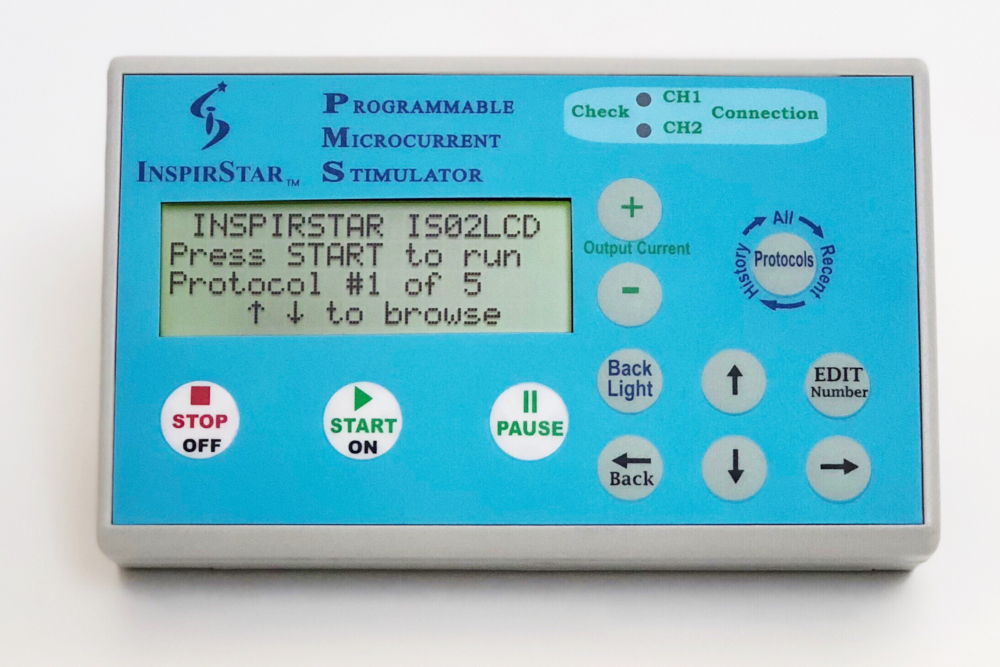
Frequency Specific Microcurrent (FSM) is a specialized form of microcurrent therapy that uses paired frequencies to target specific tissues (organs, organ systems) with healing frequencies. Two frequencies of microcurrent are transmitted through the body simultaneously. One frequency resonates to a specific cell type, tissue, organ or organ system. The second frequency induces a change in the tissue that is specific to the frequency being used. For instance the frequency 40 Hz is used to reduce inflammation while 294 Hz releases trauma from the target (cell type, tissue, organ, organ system).
How was Frequency Specific Microcurrent discovered?
The frequencies used in Frequency Specific Microcurrent (FSM) were discovered through a combination of intuition and empirical trial and error by 1000's of doctors practicing in the United States in the late 1800's and early 1900's. During this time period the field of electromedicine was widely practiced by doctors within the United States. However, the practice of electromedicine was shut down in 1911 when the Flexner Report (Medical Education in the United States and Canada) limited medical practice and licensing to drugs and surgery.
Frequency Specific Microcurrent was revived in the mid to late 1990's when a chiropractor, Dr. Carolyn McMakin began using the FSM frequencies with tremendous success in her clinic in Portland, Oregon. Dr. McMakin eventually dedicated herself to teaching FSM to licensed health providers throughout the world.
FSM for Mold Toxicity Relief
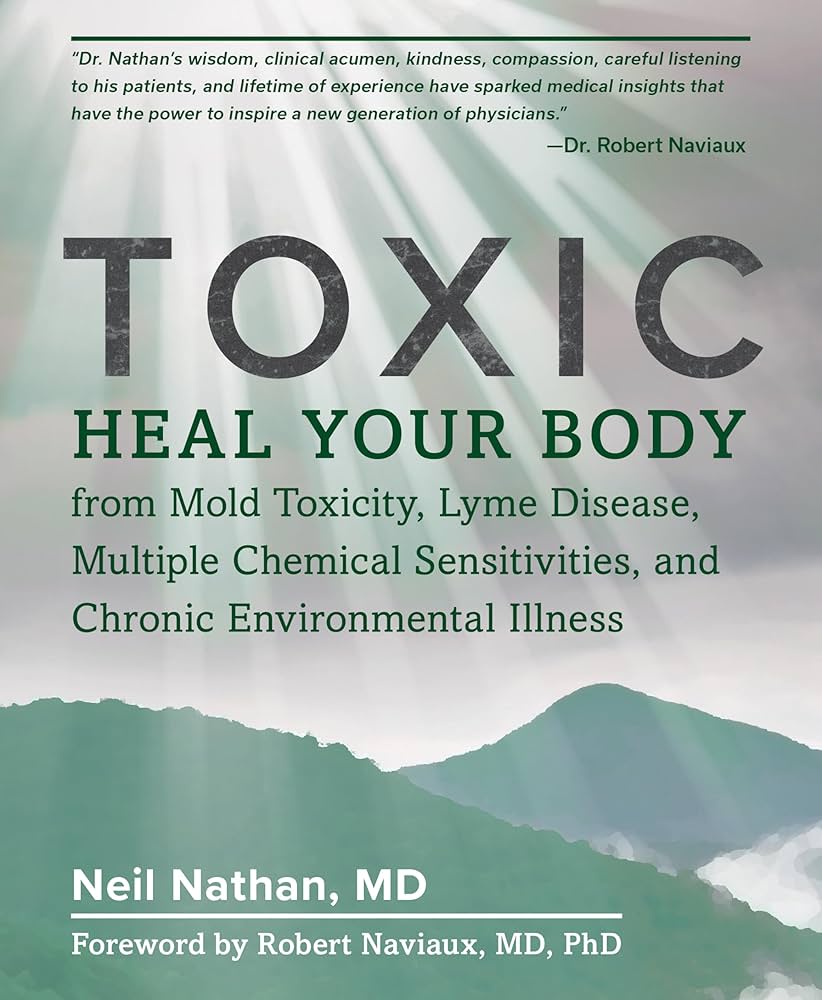
Dr. Neil Nathan in his book "Toxic" indicates that specific FSM frequencies of detoxification are useful in eliminating mold toxins.
On page 149 of the 1rst Edition he states: "FSM can help with detoxification. There are specific frequencies for the organs of elimination (for example, the lymphatics, kidneys, liver, skin, and lungs) and for specific toxins (such as from Lyme disease, Bartonella, mold, chemicals, or heavy metals) that can enable patients with compormised systems to recover more quickly."
FSM In Lyme Disease Support
FSM addresses the core nervous system dysfunction of chronic Lyme.
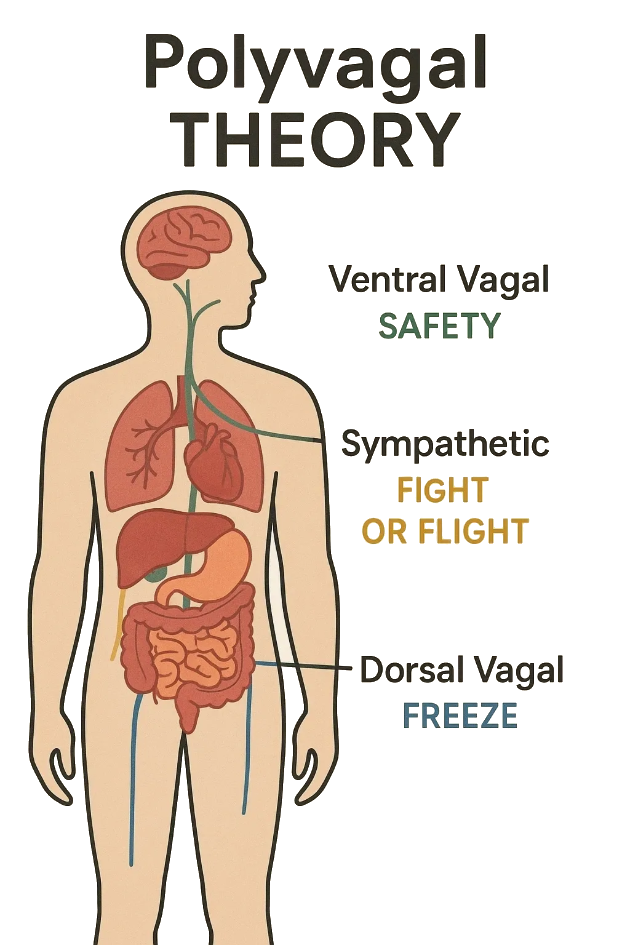
The freeze response is a deeply ingrained survival mechanism, where the body immobilizes to avoid danger or conserve energy until the threat has passed. For those living with Lyme disease or other long-term illnesses, however, this shutdown can persist long after the initial stressor, leaving people stuck in a cycle of fatigue, withdrawal, and disengagement. This response is linked to the dorsal vagal branch of the nervous system, which regulates states of collapse and immobilization.
Research has shown that stimulating the vagus nerve—the body’s major communication highway between brain and organs—can restore regulation. While early methods required invasive surgery, newer non-invasive options such as transcutaneous auricular vagus nerve stimulation (taVNS) are being studied for chronic conditions, including post-treatment Lyme disease syndrome (PTLS) (Columbia University). Vagus nerve stimulation has shown promise in lowering inflammation, easing pain and fatigue, improving mood, and even enhancing cognitive function.
FSM can help move the nervous system out of shutdown and back toward balance and engagement. A combination of frequencies--81 Hz for "increasing activity, secretions" and 109 Hz for the vagus nerve are successfully bringing the frozen autonomic nervous system back on line.
FSM for Multiple Chemical Sensitivities
FSM is effectively providing relief for those suffering multiple chemical sensitivities (MCS). Some common complaints associated with MCS syndrome include feelings of emotional stress, overwhelm and anxiety; disruption of sleep; poor digestion; and chronic migrating pain and stiffness. Frequency Specific Microcurrent has been shown to provide relief for the following:
- Anxiety and Stress Relief. Frequency Specific Microcurrent (FSM) has shown encouraging results in reducing anxiety and stress. In a pilot study, participants reported decreases in perceived stress, emotional distress, and negative mood following treatment, suggesting FSM may help calm the nervous system and restore balance.
- Improved Digestion ( by increasing vagal tone). The vagus nerve is central to how the body regulates stress, digestion, and inflammation. Research and clinical experience suggest that FSM may enhance vagal tone, which is linked to better digestive health, reduced inflammation, and greater emotional resilience (Healthier by Choice). Strengthening vagal tone can be especially valuable for those with chronic illness and heightened stress responses.
- Better Sleep Quality. Because stress and anxiety often disrupt sleep, many individuals notice improvements in relaxation and sleep quality after FSM sessions. By helping the body shift into a calmer state, FSM may support more restful and restorative sleep.
- Improved Emotional Regulation. A sensitive or overactive nervous system can make it difficult to manage emotions. Early studies indicate that FSM may help restore the brain’s ability to regulate emotions, providing greater stability and reducing overwhelm in daily life.
Chronic Environmental Illness and FSM
There are numerous potential benefits of Frequency Specific Microcurrent for sufferers of chronic environmental illness.
Chronic environmental illness—whether caused by mold exposure, chemical sensitivities, or other environmental triggers—often presents with a wide range of difficult symptoms, from fatigue and pain to neurological dysfunction. Frequency Specific Microcurrent (FSM) offers a gentle, non-invasive therapy that may help support the body’s ability to heal and recover from these challenges.
One of the most significant ways FSM may help is through its ability to reduce inflammation. Inflammation is a common underlying factor in many chronic conditions and often plays a central role in the symptoms of environmental illness. By calming inflammatory pathways, FSM may ease the burden on the body and allow healing processes to take place more effectively.
FSM has also shown promise in providing pain relief. Many people with chronic environmental illness struggle with persistent nerve pain, muscle aches, or joint discomfort. Microcurrent therapy works at a cellular level, helping tissues restore balance, which in turn may decrease pain signals and improve physical comfort.
Another benefit of FSM is its potential to enhance tissue healing and repair. Environmental triggers can damage tissues and impair function, leading to ongoing symptoms. By supporting cellular repair and regeneration, FSM may help restore integrity to affected tissues and promote better overall function.
A unique aspect of FSM is its reported effect on cellular energy production. Research suggests that microcurrent stimulation can increase the production of adenosine triphosphate (ATP)—the body’s primary energy molecule—by up to 500%. This boost in cellular energy supports natural healing processes and can be especially valuable for addressing the profound fatigue that often accompanies chronic environmental illness.
FSM may also provide important support for the nervous system. Environmental illness frequently affects the autonomic nervous system, leading to imbalances that contribute to symptoms such as dizziness, poor stress tolerance, or neurological discomfort. By helping regulate nervous system function, FSM may encourage greater stability and resilience, which in turn supports both physical and emotional well-being.
Finally, FSM is sometimes used as part of protocols aimed at detoxification and immune support. By assisting liver detox pathways and improving cellular repair, FSM may indirectly strengthen the immune system. For individuals struggling with environmental triggers that overwhelm the body’s natural defenses, this support can be an important piece of the healing process.
Why Choose FSM for Complex Chronic Illness?
Living with a chronic illness often means dealing with many symptoms at once—pain, inflammation, fatigue, brain fog, and even emotional ups and downs. What makes Frequency Specific Microcurrent (FSM) unique is its ability to gently address several of these issues in a single therapy. Different frequencies are used to target specific concerns, whether that’s calming inflammation, easing nerve pain, relaxing muscle tension, or supporting emotional balance.
One of the benefits patients often notice with FSM is how quickly relief can come. Some report feeling their pain ease or tissues soften within minutes of treatment. For those experiencing flare-ups of symptoms, this rapid effect can provide comfort and make daily life more manageable.
FSM is also safe and non-invasive. It doesn’t require surgery, injections, or medications, which is especially helpful for people who are sensitive to drugs or want to reduce reliance on pharmaceuticals. By avoiding the side effects of medication, FSM offers a gentler path to relief.
What makes FSM especially promising is its ability to work at a cellular level. Research suggests that microcurrent therapy can boost the body’s production of ATP—the energy that cells need to function—by several hundred percent. This extra energy may help the body repair tissues, reduce inflammation, and restore balance over time.
FSM can also be used alongside other therapies such as acupuncture, physical therapy, or massage, making it a flexible part of an overall healing plan.
While more research is needed and results can vary from person to person, FSM offers hope for those with complex chronic conditions. By addressing multiple symptoms and supporting the body’s natural healing processes, it provides a gentle yet powerful tool for recovery.
Getting Started with Frequency Specific Microcurrent
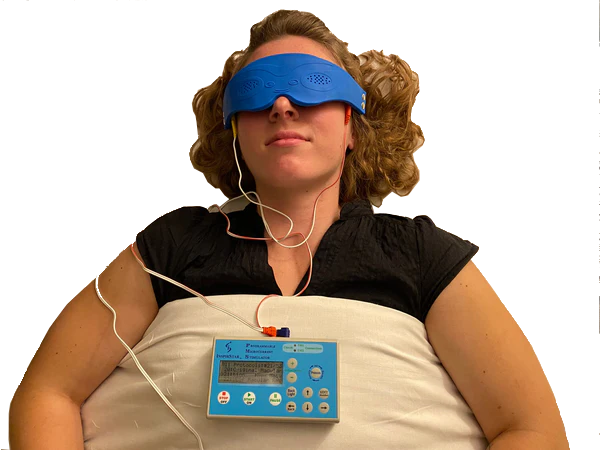
To start with Frequency Specific Microcurrent (FSM) treatment, you'll need to find a qualified practitioner who is trained in administering FSM. Treatments are available either in a clinic setting by licensed health providers or by purchasing an FSM unit from a qualified licensed professional. To learn more about how you can start FSM treatment click here.